Timing, Dosing, and Duration: What Research Actually Reveals About MK-677 Protocol Design
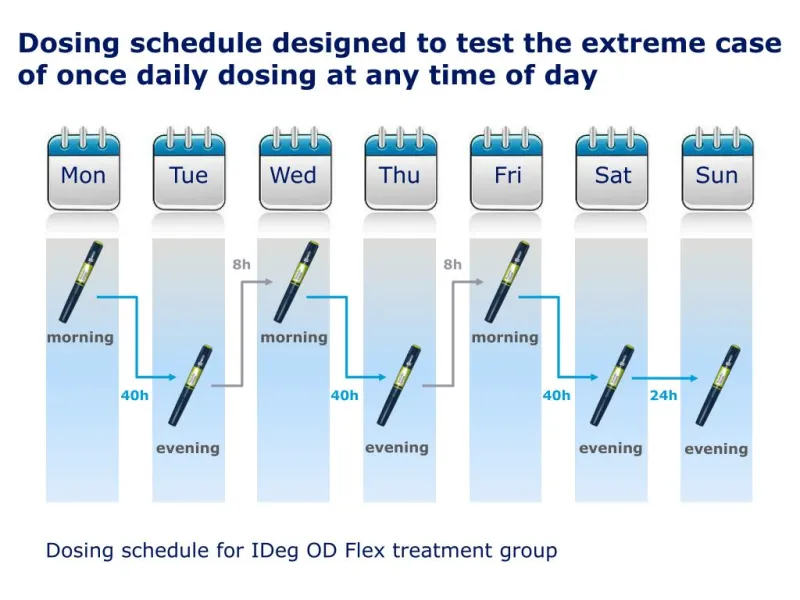
Photo: pharmaceutical research dosing schedule clinical trial laboratory science, via image1.slideserve.com
Among the practical questions that follow any compound with documented physiological activity, dosing protocol design ranks among the most consequential—and the most contested. MK-677 (ibutamoren) is no exception. Across the published clinical literature, a range of dosing strategies has been employed, and the rationale behind each reflects different assumptions about pharmacokinetics, target outcomes, and acceptable risk thresholds. What the research has not yet produced is a consensus protocol. Understanding why requires a careful look at what the studies have actually tested and what variables remain systematically unexplored.
The Dose Ranges Used in Clinical Research
Published human trials involving MK-677 have employed a relatively wide spectrum of daily doses, generally ranging from 10 mg to 50 mg administered orally. The most commonly studied dose in controlled trials is 25 mg per day, which appears in several landmark studies examining effects on lean body mass, bone mineral density, and GH secretion patterns.
A 1998 study published in the Journal of Clinical Endocrinology & Metabolism directly compared 10 mg and 50 mg daily doses in healthy elderly subjects. Both doses produced significant increases in GH and IGF-1, but the 50 mg group showed greater magnitude of effect alongside a more pronounced adverse event profile—including increased appetite, mild edema, and transient muscle pain. The 25 mg dose has since emerged as a practical middle ground in the literature, offering meaningful GH secretagogue activity while limiting the intensity of side effects observed at higher doses.
Lower doses in the 10–15 mg range have been explored in populations where tolerability is a primary concern, including elderly subjects and individuals with specific GH deficiency profiles. These lower doses still produce measurable IGF-1 elevation in most trial populations, suggesting that the dose-response curve is not strictly linear and that submaximal stimulation may be sufficient for certain research objectives.
Morning Versus Evening Administration: Does Timing Matter?
One of the more debated protocol variables is the timing of MK-677 administration relative to the body's endogenous GH secretion rhythms. GH is secreted in pulses throughout the day, with the largest pulse occurring during slow-wave sleep—typically in the first few hours after sleep onset. This nocturnal surge is well-documented in the endocrinology literature and forms the basis for the argument that evening dosing may better synchronize with and amplify natural GH release patterns.
Several research groups have administered MK-677 in the evening, often 30 to 60 minutes before sleep, on the premise that this timing maximizes the compound's interaction with the nocturnal GH pulse. Sleep study data from trials using this approach have shown increases in both GH secretion and slow-wave sleep duration, suggesting a potentially synergistic relationship between MK-677 administration timing and sleep-associated GH physiology.
However, direct head-to-head comparisons of morning versus evening dosing in controlled human trials are notably absent from the published literature. The assumption that evening administration is superior is physiologically plausible but has not been formally validated through a crossover design or randomized comparison. Morning dosing has also been used in published trials without obviously inferior outcomes on primary endpoints like IGF-1 elevation and lean mass changes, complicating any firm conclusion about timing optimization.
MK-677's half-life of approximately 24 hours further muddies the timing debate. With such extended plasma residence, the compound maintains relatively stable circulating levels regardless of when it is taken, which may render the timing question less pharmacologically significant than it is sometimes assumed to be.
Continuous Use Versus Cycling Protocols
The question of whether MK-677 should be used continuously or in structured on-off cycles represents another area of genuine scientific uncertainty. Published clinical trials have generally employed continuous daily dosing over periods ranging from several weeks to two years, and this is the model for which the most systematic safety and efficacy data exists.
The rationale for cycling—alternating periods of use with periods of abstention—is often framed around two concerns: preventing receptor desensitization and managing cumulative side effects such as insulin resistance or fluid retention. The receptor desensitization argument draws on general pharmacological principles; sustained agonist exposure can downregulate receptor sensitivity over time, potentially blunting the compound's GH-stimulating efficacy.
However, the clinical evidence for meaningful GHSR-1a desensitization with continuous MK-677 use in humans is limited. A 2001 study examining 24-month continuous administration found that IGF-1 levels remained elevated throughout the observation period, suggesting that significant receptor downregulation did not occur within that timeframe. This finding argues against the necessity of cycling for receptor-maintenance purposes, at least over durations studied to date.
The side effect management rationale for cycling has more intuitive support, given that adverse effects like water retention and appetite stimulation appear to attenuate in some subjects after the initial weeks of use. Whether structured cycling actually improves the long-term tolerability profile compared to continuous use has not been directly tested in a controlled trial.
Why Optimal Protocols Remain Contested
The persistence of disagreement about MK-677 protocol design reflects, in large part, the heterogeneity of the existing research base. Clinical trials have studied different populations (elderly adults, growth hormone-deficient patients, obese individuals, healthy young adults), used different primary endpoints, and applied different dosing regimens. This variability makes cross-study comparison difficult and prevents the kind of meta-analytic consensus that would normally drive protocol standardization.
Additionally, much of the protocol discussion in non-academic contexts has been shaped by experiential reports rather than controlled data—a body of information that, while sometimes directionally useful, lacks the rigor to resolve mechanistic questions. The absence of large-scale, purpose-designed dose-optimization trials is the single most significant gap in the MK-677 dosing literature.
It is also worth noting that protocol optimization is inherently outcome-dependent. The most appropriate dosing strategy for a researcher studying MK-677's effects on bone mineral density in elderly subjects differs meaningfully from a protocol designed to assess lean mass accrual in a younger population. There is no universal optimal protocol because there is no universal research objective.
What the Current Data Can Support
Despite the gaps, the existing literature does support a few evidence-grounded observations about MK-677 protocol design. The 25 mg daily dose represents the best-studied dose in human trials and offers a reasonable reference point for efficacy and safety monitoring. Doses above 25 mg appear to increase side effect burden without proportionally greater primary outcomes in most studied populations. Continuous daily dosing over periods up to two years has not demonstrated progressive receptor desensitization in the available data.
The timing question—morning versus evening—remains genuinely open from a controlled evidence standpoint, though the physiological rationale for evening administration is coherent. Cycling protocols lack direct comparative data to support superiority over continuous use, though they may be reasonable from a tolerability management perspective in certain subjects.
For the research community, the clearest takeaway from the current protocol literature may be that rigorous, purpose-built dose-optimization trials are needed before any protocol can be described as evidence-based in a meaningful sense. Until that research is conducted, protocol decisions will continue to involve a degree of inference that the data does not yet fully resolve.