Neurons, Neuropeptides, and MK-677: What the Science Actually Reveals About Brain Health
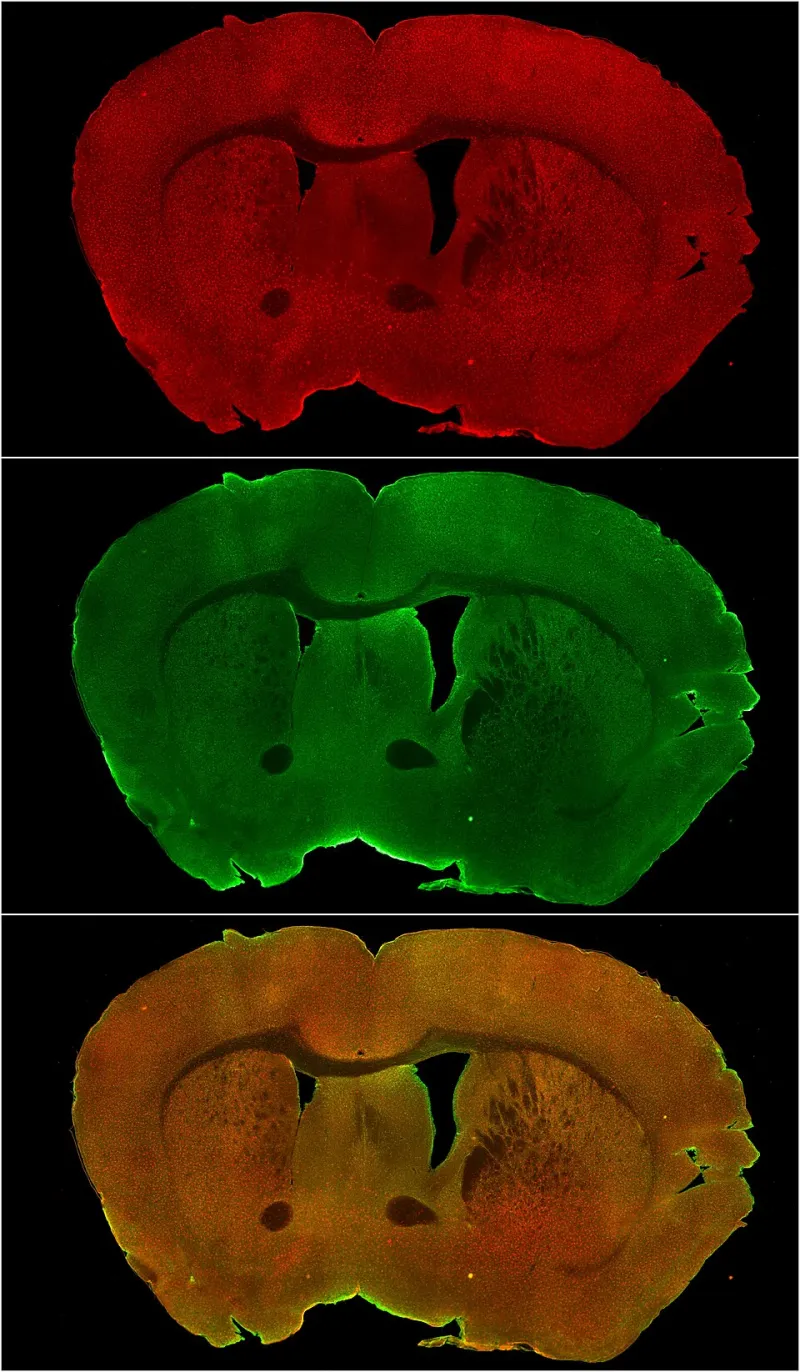
Photo: Syed07, CC BY 4.0, via Wikimedia Commons
The Gap Between User Reports and Peer-Reviewed Data
Among the more persistent claims circulating in research communities and online forums is the assertion that MK-677 enhances mental clarity, sharpens focus, and improves memory. These reports are widespread enough to warrant serious scientific scrutiny. However, researchers and clinicians who examine MK-677 through a rigorous lens will find that the neurological evidence base is considerably thinner than what exists for the compound's effects on muscle tissue or bone density.
This does not mean the neurobiological conversation is without merit. It means the conversation must be grounded in mechanism rather than anecdote — a distinction that matters enormously when evaluating any pharmacological compound for research purposes.
Growth Hormone Signaling and the Brain: A Foundational Primer
To understand why MK-677 might plausibly influence cognitive function, one must first appreciate the relationship between growth hormone (GH) and the central nervous system. GH receptors are expressed throughout the brain, including in regions associated with learning and memory such as the hippocampus and prefrontal cortex. Insulin-like growth factor 1 (IGF-1), which is downstream of GH secretion, crosses the blood-brain barrier and has been identified as a significant modulator of neuronal health.
MK-677 functions as a ghrelin receptor agonist and growth hormone secretagogue, stimulating the pituitary to release GH in a pulsatile pattern that closely mirrors endogenous secretion. By elevating both GH and IGF-1 levels systemically, MK-677 creates the biochemical conditions under which neurologically relevant signaling could, in theory, be altered.
The operative phrase here is "in theory." Elevated IGF-1 in the bloodstream does not automatically translate into meaningful neurological change, and the assumption that it does represents one of the more common oversimplifications in lay discussions of this compound.
What IGF-1 Does in the Brain: Evidence From Preclinical Research
The strongest mechanistic arguments for MK-677's potential neurological relevance come from preclinical work on IGF-1's role in brain physiology. Animal studies have demonstrated that IGF-1 promotes neurogenesis — the formation of new neurons — particularly within the hippocampus, a region central to the consolidation of new memories. IGF-1 has also been associated with synaptic plasticity, the process by which neural connections strengthen or weaken in response to activity, which is considered foundational to learning.
Additionally, IGF-1 appears to exert neuroprotective effects by reducing neuronal apoptosis (programmed cell death) and modulating inflammatory pathways within the central nervous system. Some preclinical models have shown that IGF-1 administration attenuates neurodegeneration associated with conditions such as Alzheimer's disease and Parkinson's disease, though these findings require significant qualification before being applied to human populations.
It is worth noting that ghrelin itself — the endogenous ligand whose receptor MK-677 activates — has independently demonstrated neurological activity in animal models. Ghrelin receptors in the hippocampus appear to influence synaptic function and memory consolidation, which has led some researchers to propose that MK-677's cognitive effects, if they exist, may stem from both the direct ghrelin receptor agonism and the downstream GH/IGF-1 cascade.
Human Clinical Evidence: What Exists and What It Shows
The transition from preclinical promise to clinical reality is where the evidentiary picture becomes considerably more cautious. Dedicated clinical trials examining MK-677's effects on cognitive outcomes in humans are sparse. The compound's clinical development has historically centered on growth hormone deficiency, muscle wasting, and bone health, leaving neurological endpoints largely unexplored in controlled human studies.
A notable exception involves research conducted in elderly populations. One frequently cited trial examined MK-677 in adults over 60 years of age, a demographic in which GH secretion declines substantially. While the primary endpoints in such studies focused on body composition and physical function, some assessments included quality-of-life measures and general wellbeing scores. These secondary findings have occasionally been interpreted as suggestive of cognitive benefit, but the study designs were not powered to detect cognitive changes, and the results should not be construed as evidence of cognitive enhancement.
Research on GH replacement therapy in adults with documented GH deficiency offers a broader, if indirect, data set. Several studies in this population have reported improvements in cognitive performance metrics — including processing speed, attention, and memory — following GH normalization. Because MK-677 operates through the same hormonal axis, these findings are sometimes extrapolated to the compound. This extrapolation, while intellectually plausible, is not scientifically validated.
Neuroprotection and Neurodegenerative Disease: A Research Frontier
Perhaps the most scientifically compelling domain for future investigation involves MK-677's potential relevance to age-related neurodegeneration. The decline of GH and IGF-1 secretion with advancing age — a process known as somatopause — coincides temporally with increased risk for cognitive decline and neurodegenerative conditions. Whether this correlation reflects a causal relationship remains an active area of inquiry.
Some researchers have proposed that restoring more youthful GH pulsatility through secretagogues like MK-677 could theoretically slow aspects of neurological aging. This hypothesis is biologically coherent, but it has not been tested in adequately powered human clinical trials with neurological primary endpoints. Until such trials are completed, the neuroprotective framing remains a research question rather than a demonstrated outcome.
Interpreting Anecdotal Reports Responsibly
User-reported experiences of improved mental clarity following MK-677 administration are not without potential explanations. Improved sleep architecture — a well-documented effect of MK-677 related to enhanced slow-wave sleep — may independently account for subjective cognitive improvements. Sleep quality is among the most powerful determinants of next-day cognitive performance, and a compound that meaningfully improves sleep depth could plausibly produce perceived mental benefits without exerting any direct neurological action.
This distinction matters for researchers designing studies. Conflating sleep-mediated cognitive effects with direct neuropharmaological activity would represent a significant methodological error, and it is precisely the kind of confound that anecdotal reporting cannot control for.
Conclusion: A Legitimate Research Question Awaiting Rigorous Answers
MK-677's potential influence on brain health is neither scientifically implausible nor scientifically established. The neurobiological mechanisms through which GH and IGF-1 signaling affect the central nervous system are real and reasonably well-characterized at the preclinical level. What the field currently lacks is the human clinical evidence necessary to confirm, quantify, or refute these effects in the context of MK-677 specifically.
For researchers and clinicians following this area, the appropriate posture is one of informed skepticism combined with genuine scientific interest. The question of whether MK-677 can meaningfully influence human cognition is worth asking rigorously — it simply has not yet been answered.